 Open now
Long holds, deep connective tissue
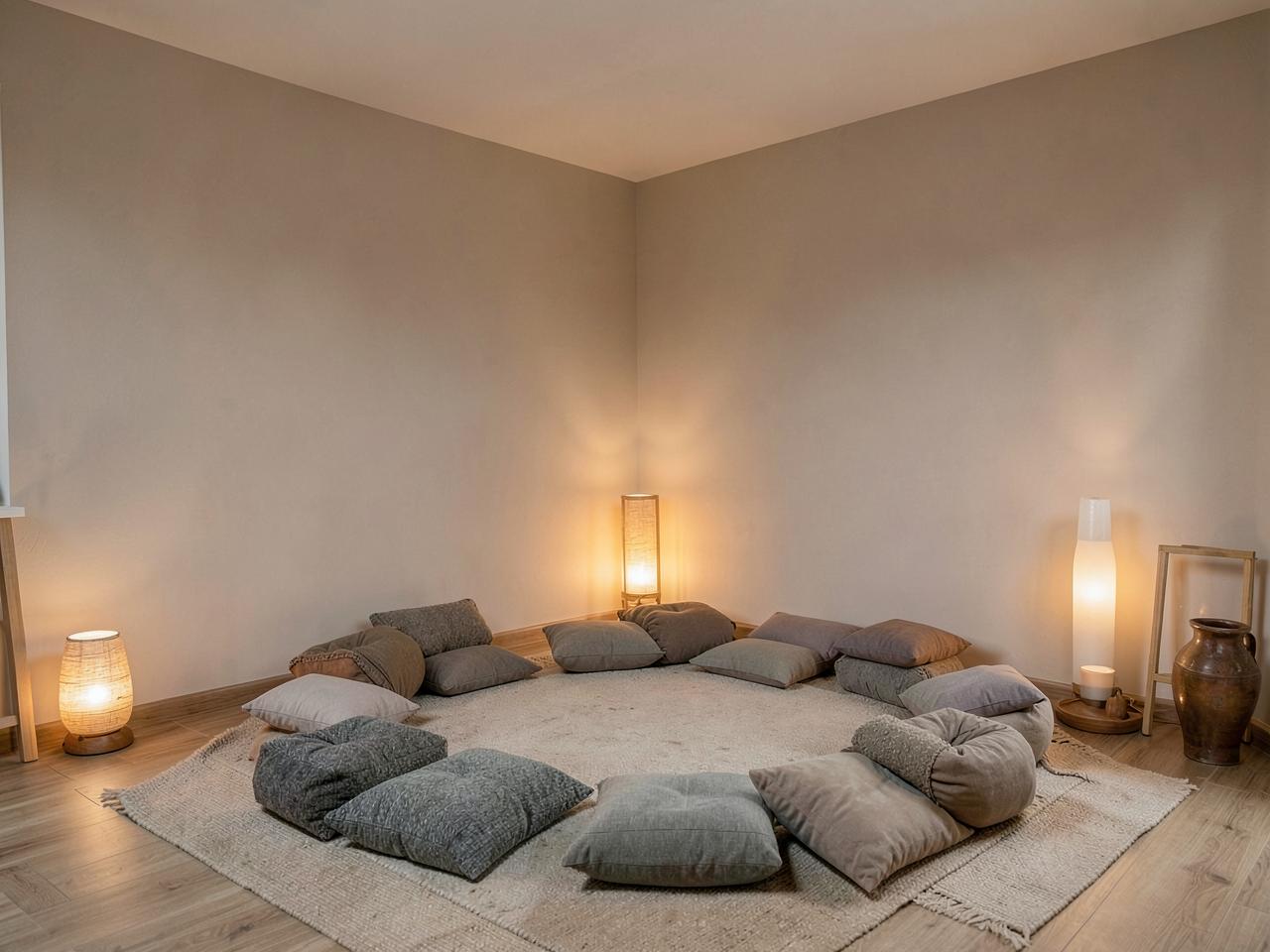
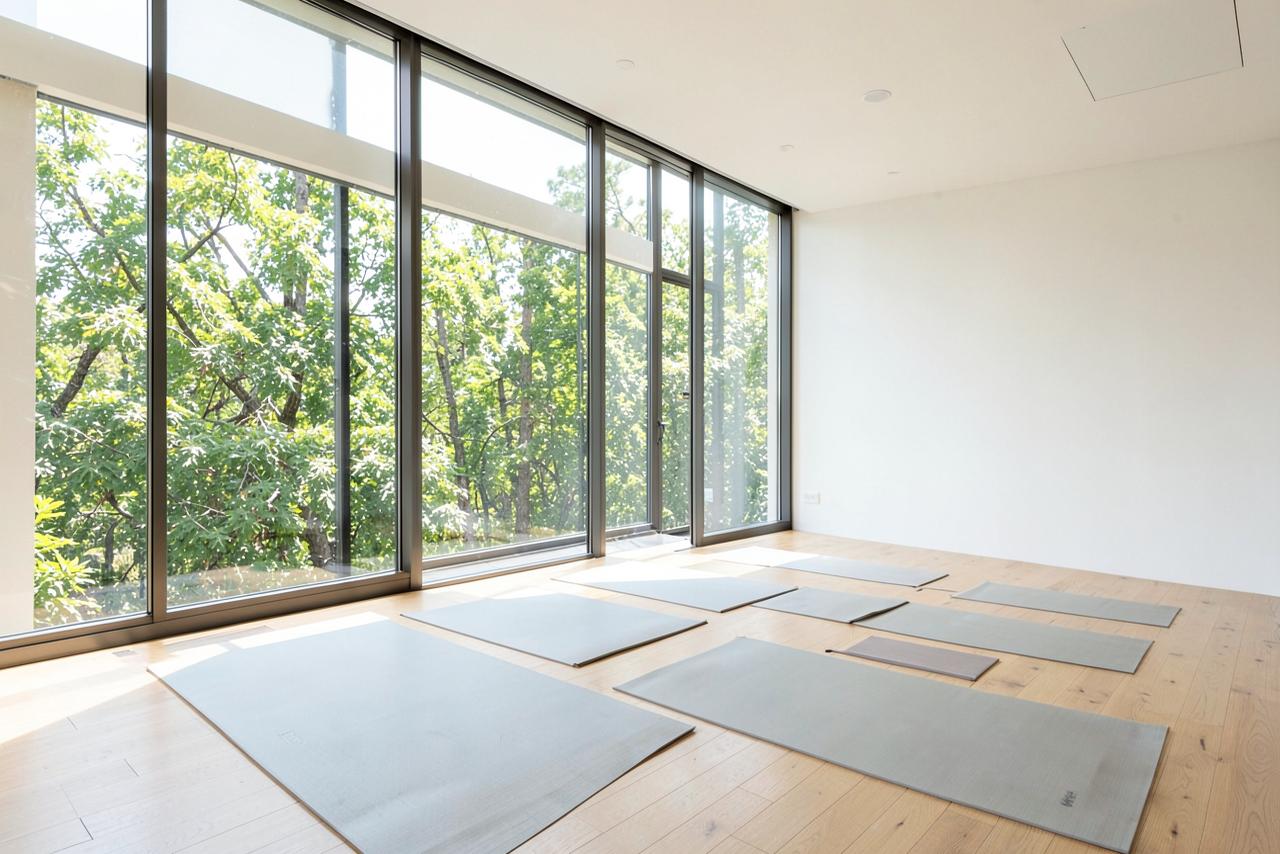
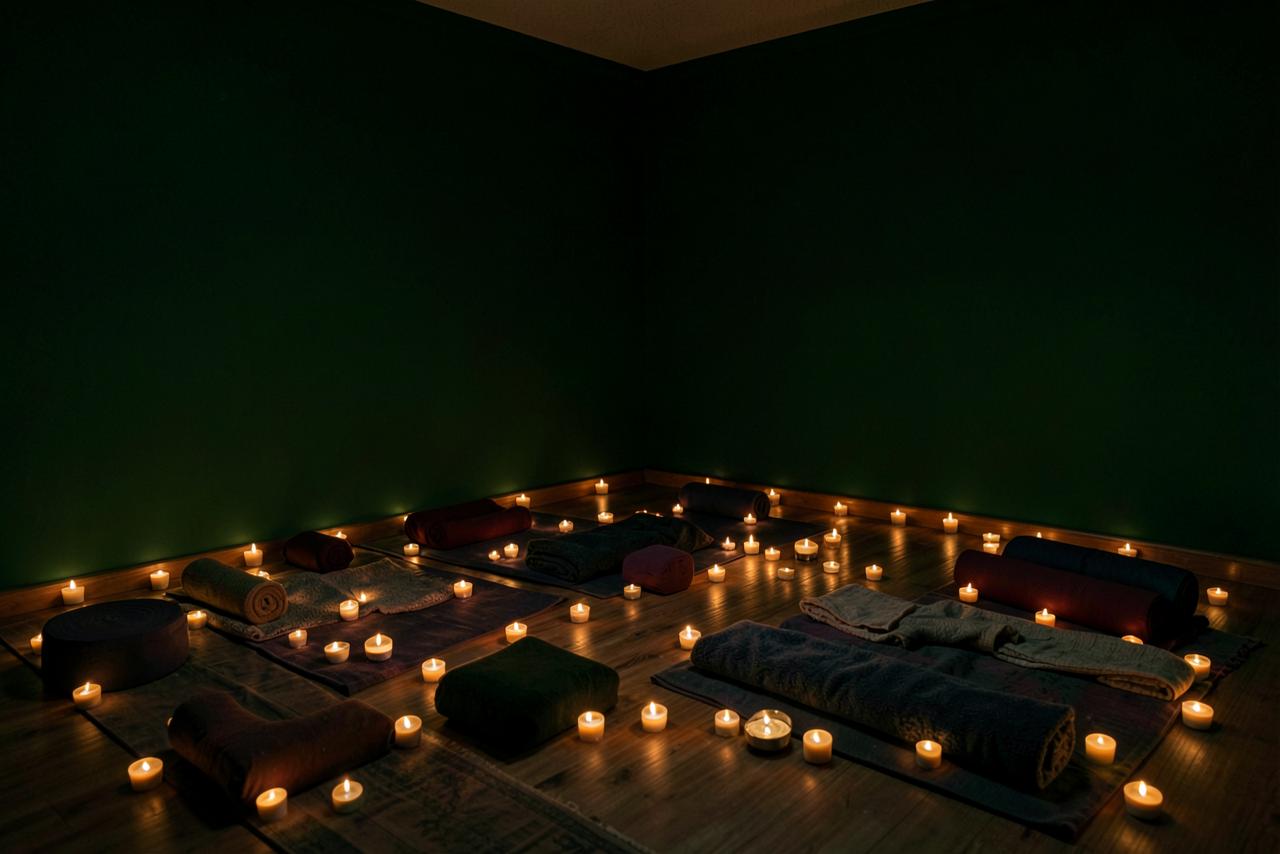
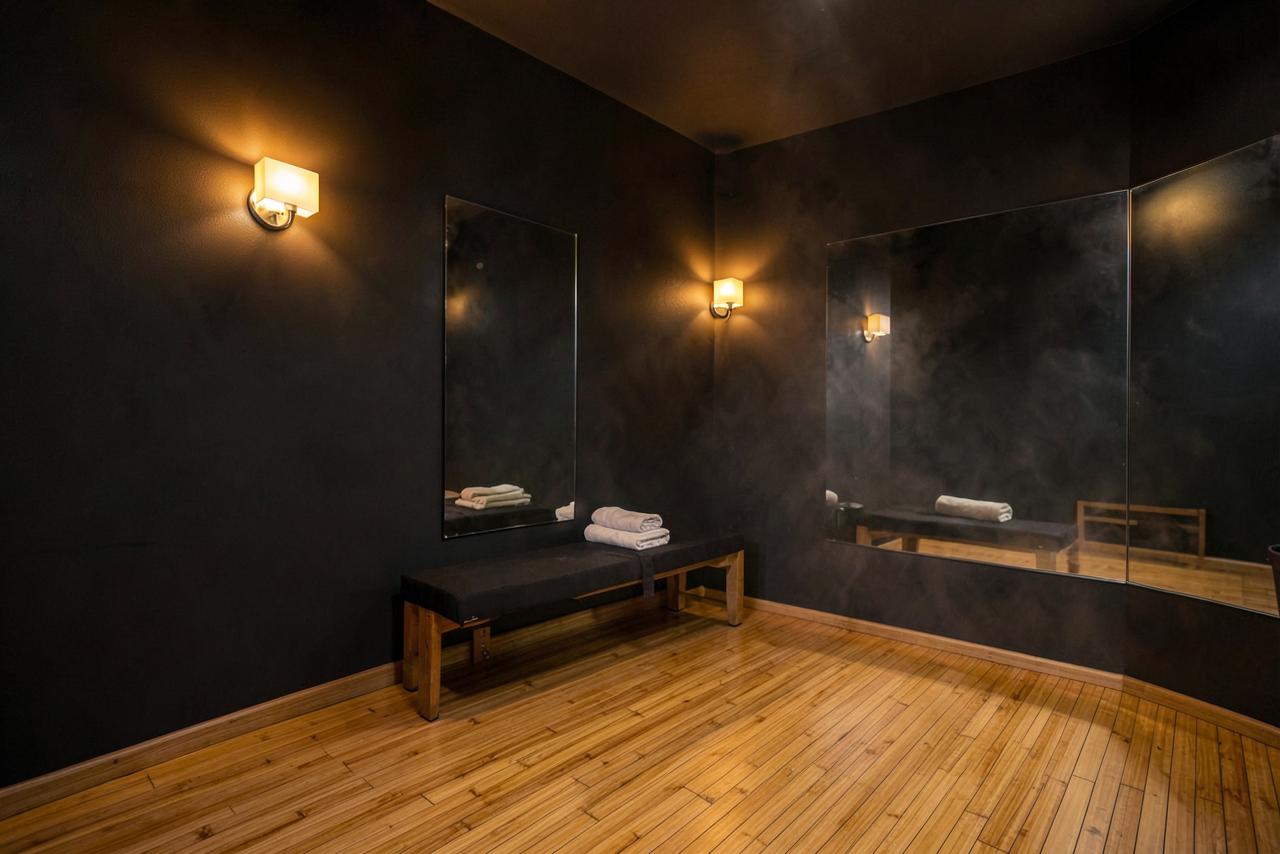
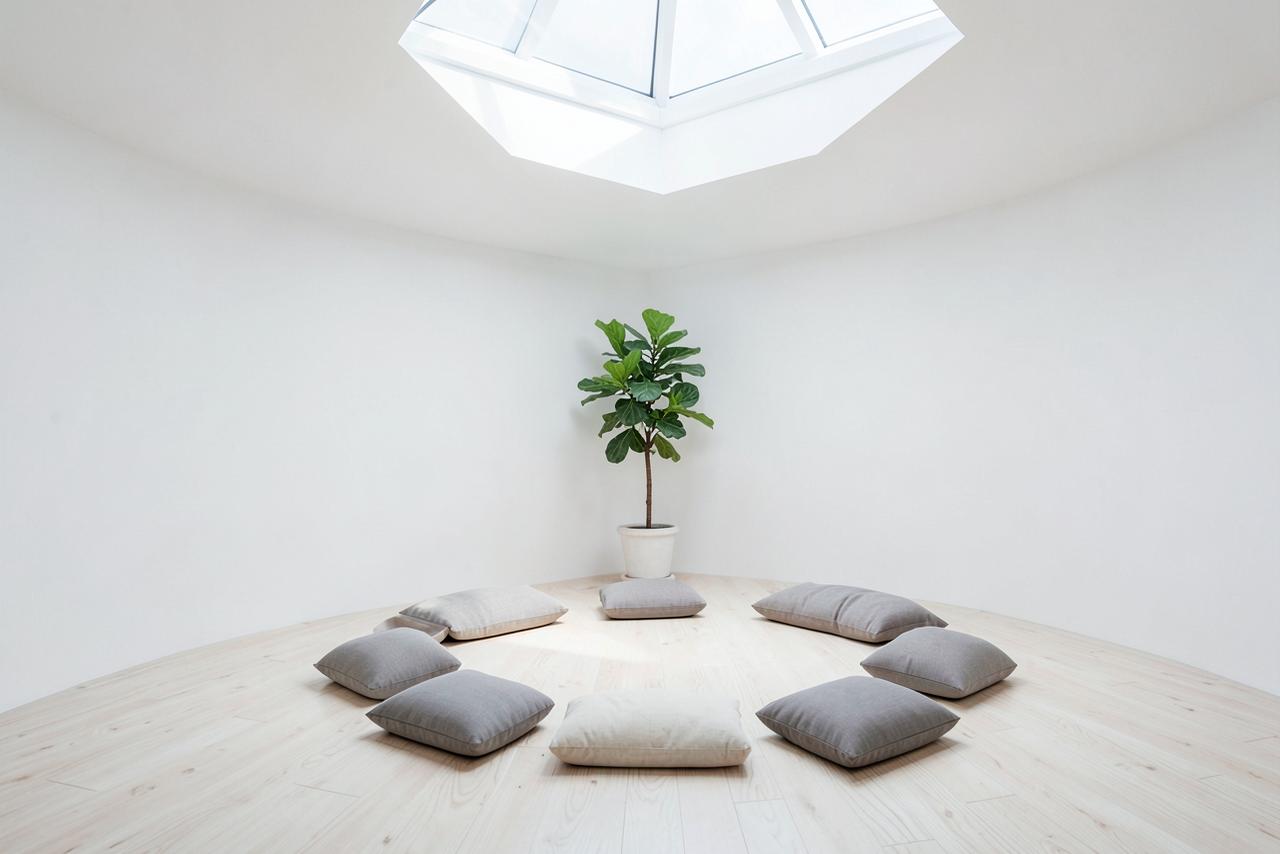
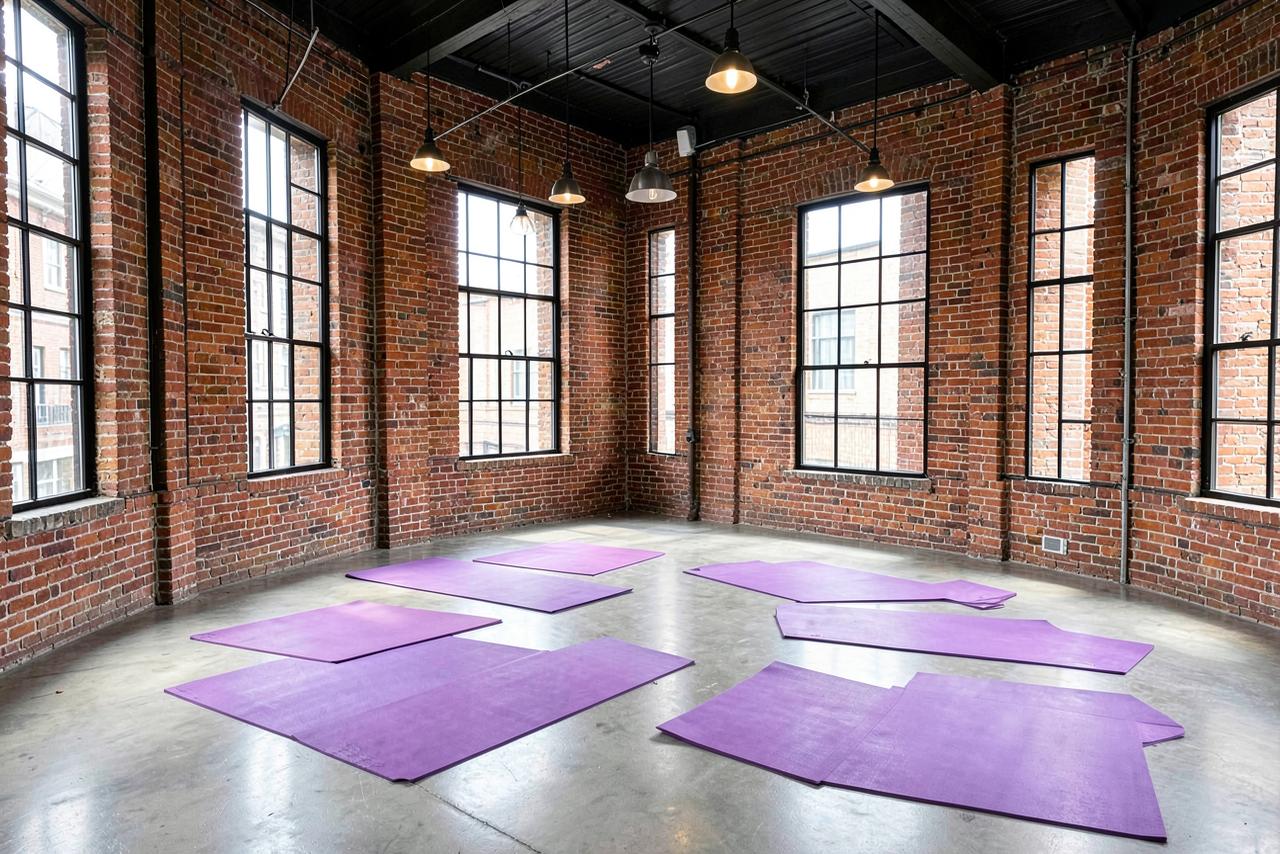
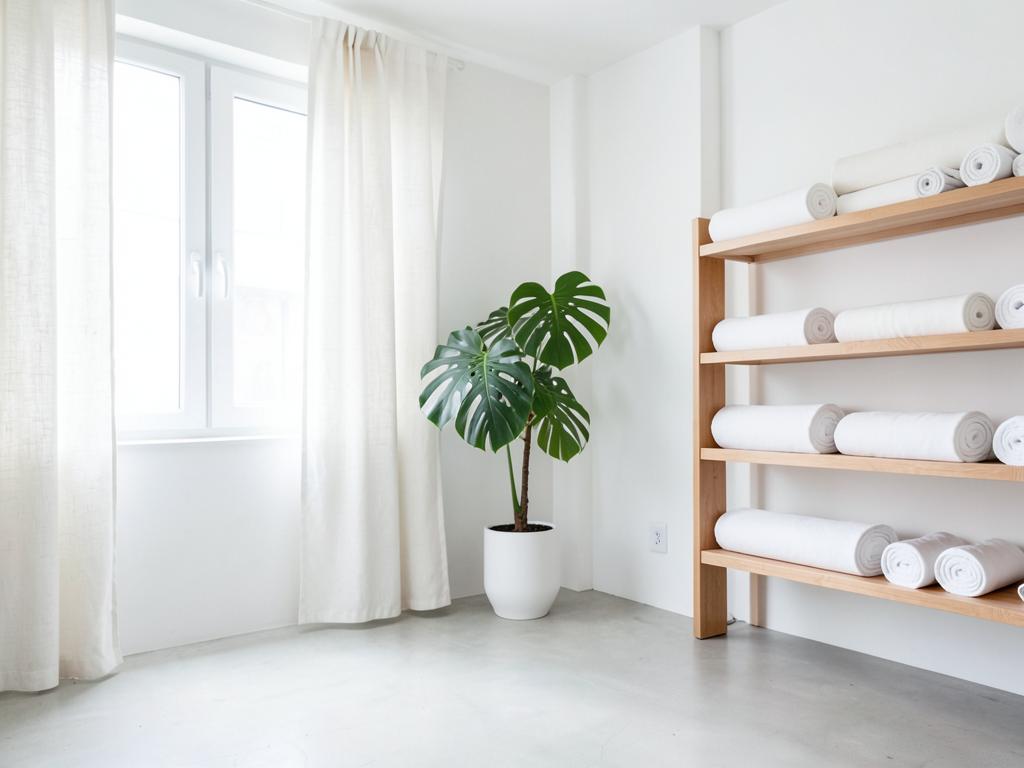
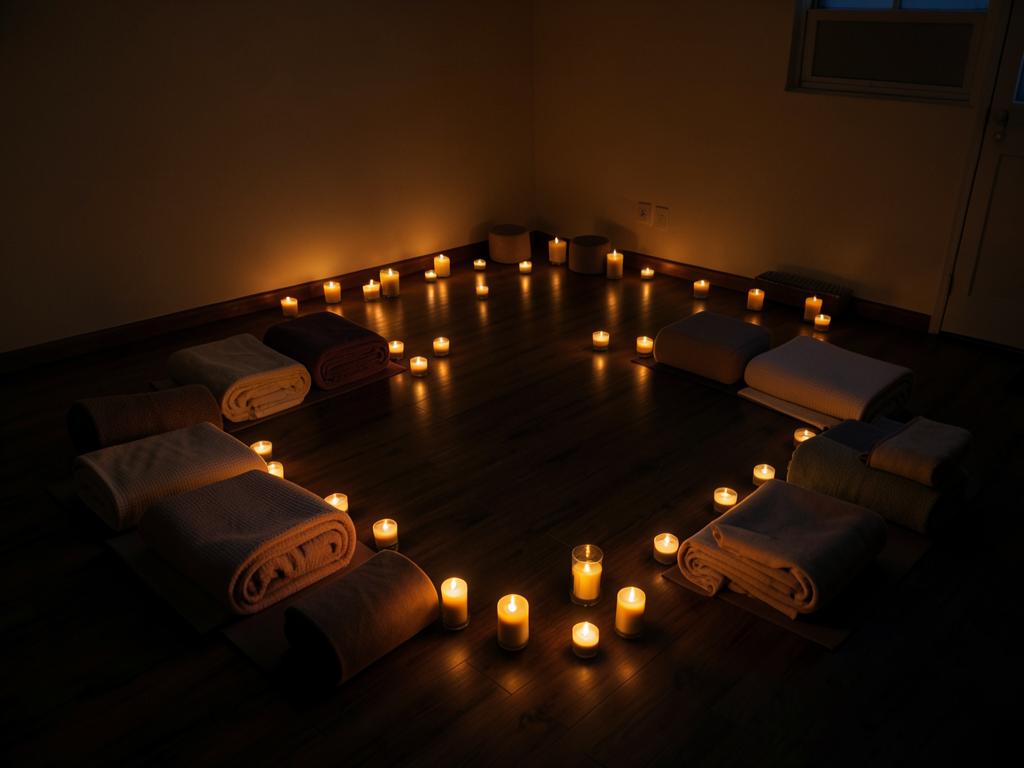
Yin holds mostly seated and lying shapes for two to five minutes with muscles relaxed, targeting connective tissue and joint capsules. It is quiet, still, and mentally harder than it sounds.
Who it suits
Stiff bodies, busy heads, athletes who need a counterbalance, and anyone whose weeks are already intense enough.
Open now Open now
 Open now
 Open now
 Open now
 Open now
 Open now
 Open now
 Open now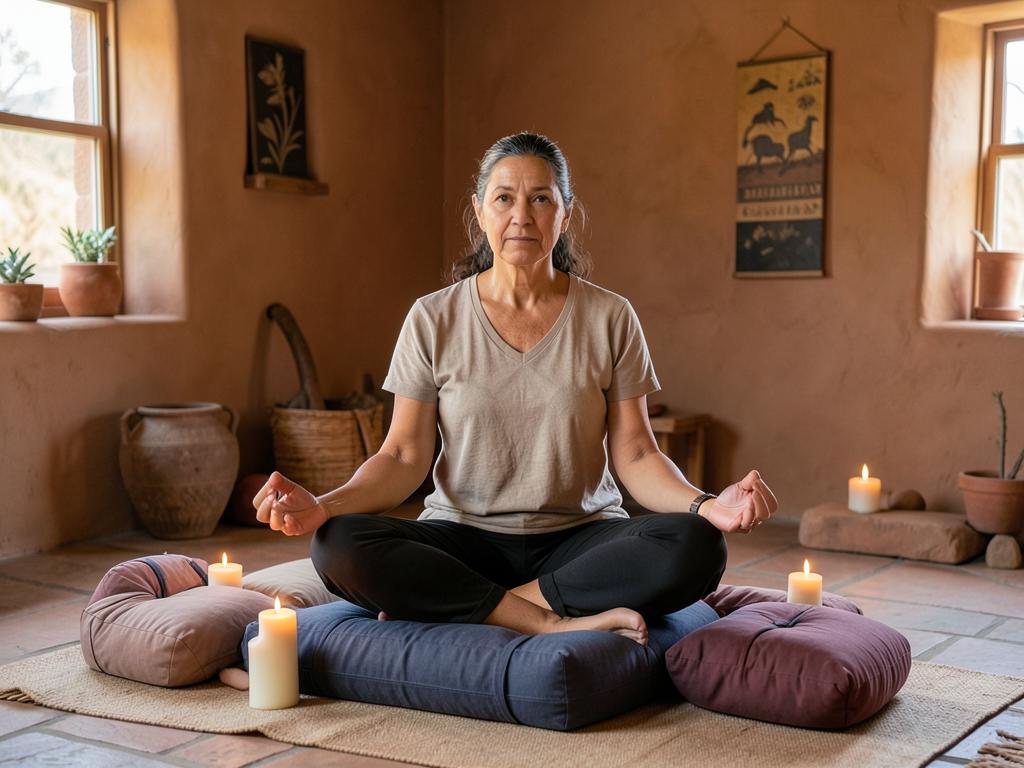
 Open now
 Open now
 Open now
 Open nowOpen nowOpen now
 Open now
 Open now
 Open nowOpen now
 Open now
 Open now
 Open now
 Open now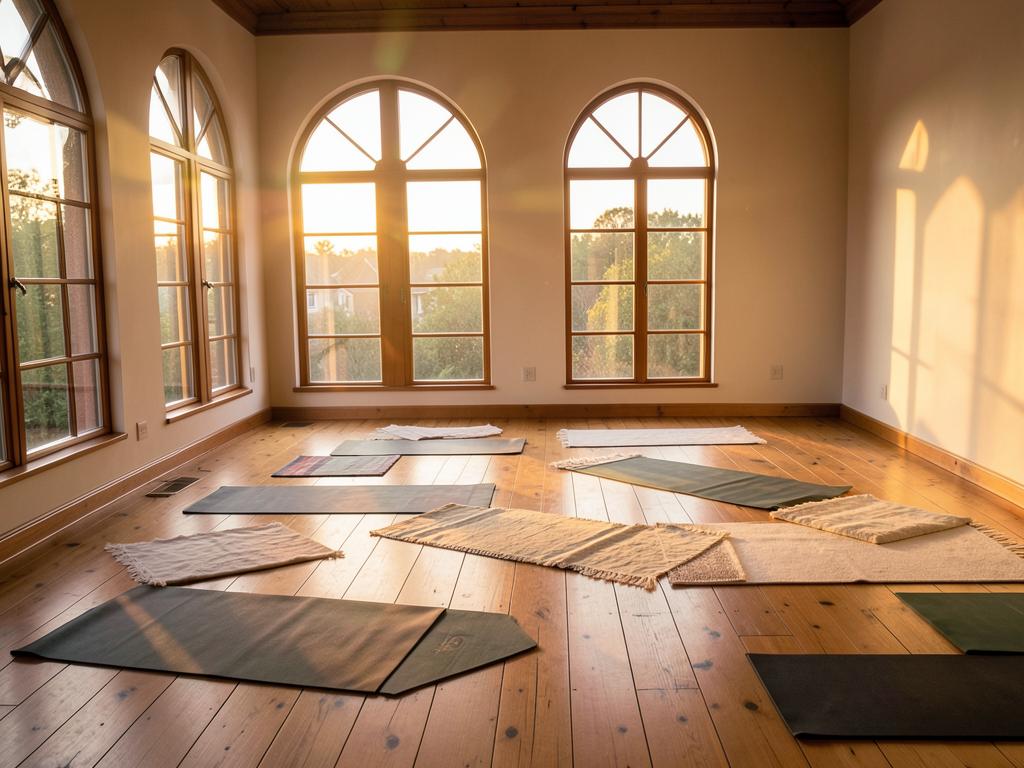
 Open now
 Open nowOpen now
 Open nowOpen nowOpen nowOpen nowOpen nowOpen nowOpen nowOpen now
 Open now
 Open now
 Open now
 Open nowOpen now
 Open now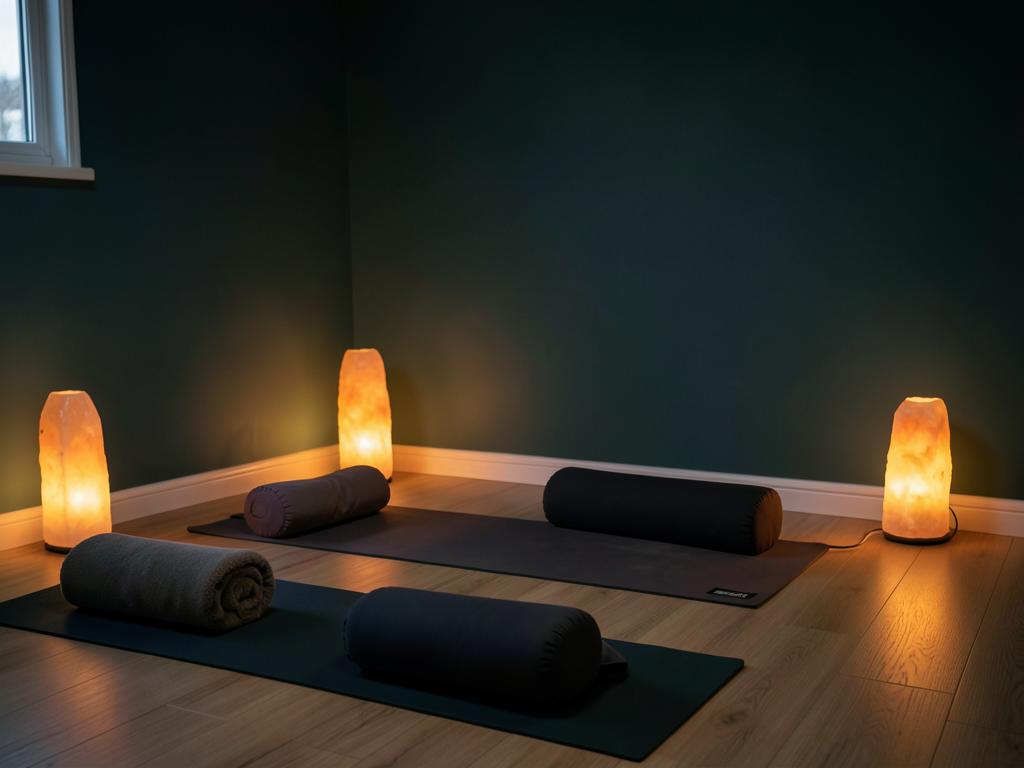
 Open now
 Open now
 Open nowOpen now
 Open now
 Open nowOpen nowOpen now
 Open now
 Open now
 Open nowOpen now
 Open nowOpen nowOpen nowOpen nowOpen nowOpen nowOpen nowOpen now
Sequence · 20 min
Yoga sequence for tight hips
Sequence · 12 min
Evening yoga sequence to wind down
Guide · 6 min read
Yoga for tight hips: what actually helps